
Getting Started on the Greenway — What You Need to Know
Everything you need before your first ride on the Athlone to Ballinasloe route: what to bring, which bike works best, and why this 22-kilometer stretch is perfect for returning cyclists.

Why the Greenway is Different
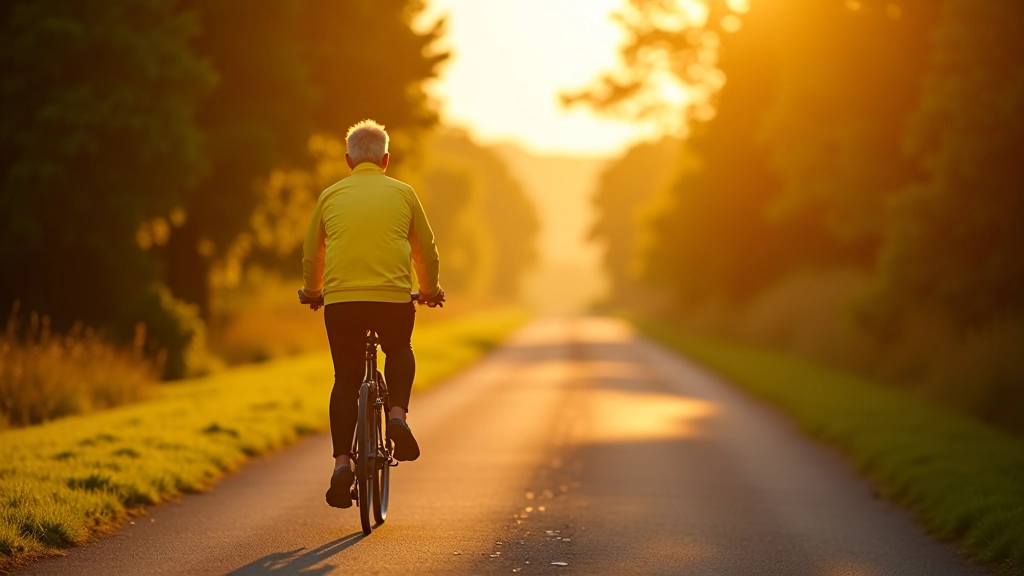
The Heritage Greenway between Athlone and Ballinasloe isn't like regular cycling. You're riding on a converted railway line—completely flat, no traffic, and surrounded by some of Ireland's quietest countryside. That's exactly why it's become so popular with people getting back into cycling after years away.
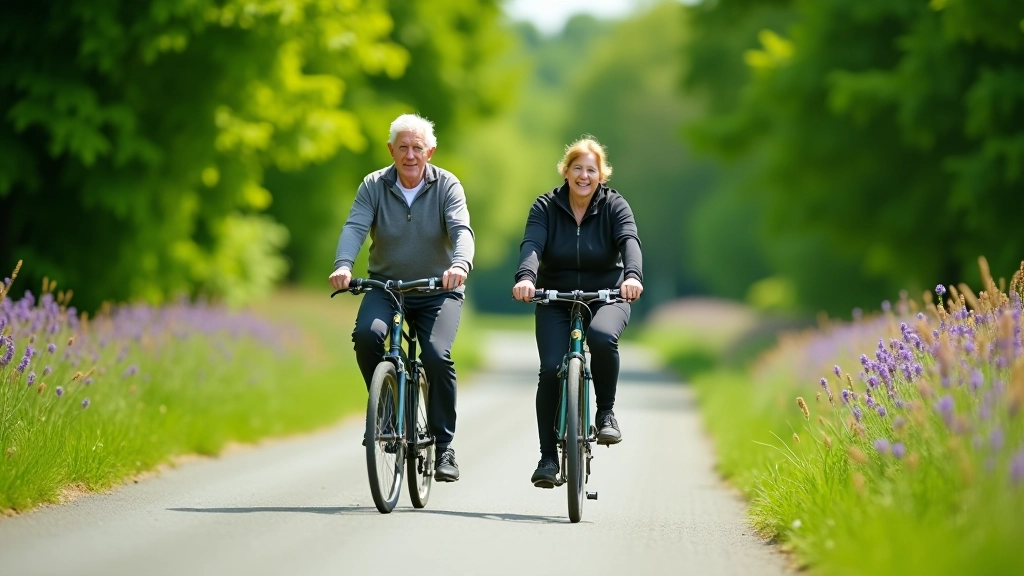
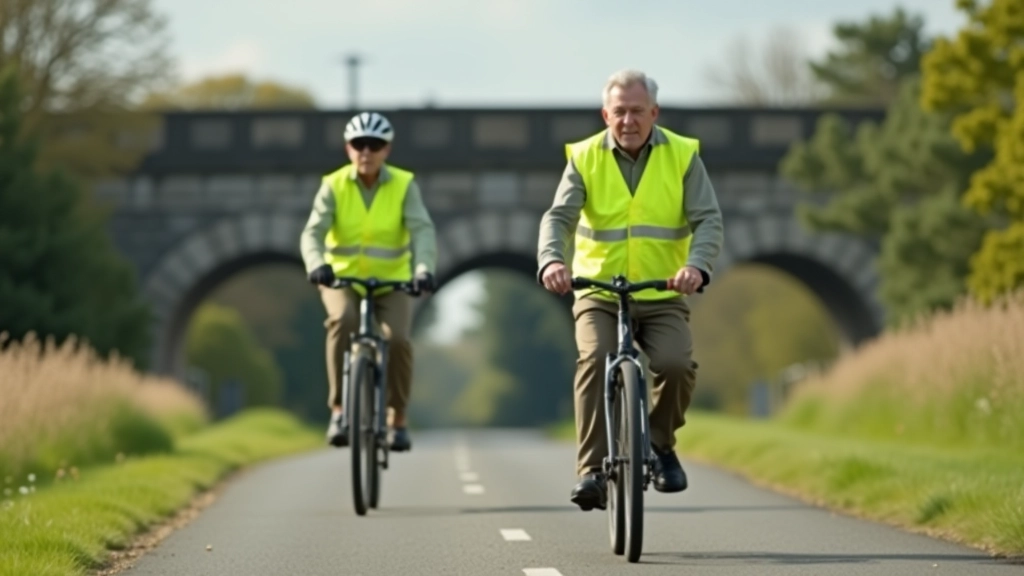
There's no pressure here. No hills to battle, no dodging cars, no need to prove anything. You'll see families, retired cyclists, and people who haven't been on a bike since their twenties. Everyone moves at their own pace. The route itself is about 22 kilometers end-to-end, but you don't need to do the full thing—plenty of people ride to the halfway point and back, which gives you a solid morning or afternoon ride without burning out.
What Kind of Bike Do You Need?
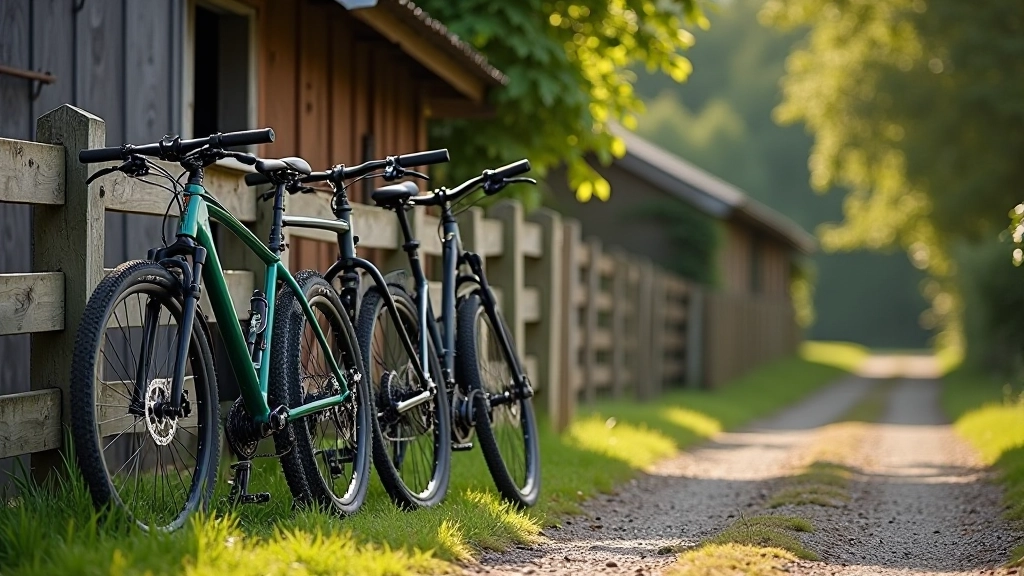
Here's the honest answer: almost any bike works. The surface is smooth tarmac all the way, so you're not dealing with gravel or rough terrain. Most people use hybrid bikes—they're comfortable, stable, and don't require the aggressive riding position of a road bike. If you've got an old mountain bike gathering dust, that'll work perfectly fine too.
What matters more than the bike type is that it fits you properly and is in decent working order. A bike that's too big or too small puts strain on your knees and lower back, which defeats the whole purpose of this gentle route. If you haven't ridden in a while, consider getting your bike serviced first—new brake pads, properly inflated tires, and chain lubrication make a massive difference in how the ride feels.
E-bikes are brilliant here. If you're concerned about fitness or want to take it really easy, electric bikes remove the worry about hills (though there aren't any) and let you focus on enjoying the scenery. Many people rent them locally if you don't own one.
What to Bring: The Essential List
You don't need to pack like you're climbing Everest. This is a casual ride on a flat, well-maintained path. But a few things make the experience much better.
Water and Snacks
A 22-kilometer ride takes about 2 hours at a relaxed pace. Bring at least one full water bottle—you'll be surprised how thirsty you get, even on a cool day. A banana or some biscuits are handy for energy around the halfway point.
Sun Protection
There's very little shade along the route. Sunscreen isn't optional—apply it before you leave. A hat or cap keeps the glare out of your eyes, and sunglasses protect your vision on bright days.
Basic Repair Kit
A flat tire isn't common, but it happens. Carry a spare inner tube, a hand pump, and tire levers. You don't need anything fancy—a small saddle bag holds everything. Most punctures happen at home anyway, not on the ride.
Phone and ID
Keep your phone in a secure pocket or bag. You've got good mobile coverage along the entire route. A small card with your name and emergency contact is sensible—just in case anything unexpected happens.
When to Go: Timing Your Ride
Summer months (May through September) are obvious—long daylight hours, warmer weather, and the route is at its most beautiful. Wildflowers line the edges from June onwards, and the grass is lush and green. But spring and autumn rides are honestly just as rewarding. You'll see fewer cyclists, the air is crisp, and you're not battling intense heat.
Weekday mornings are quieter than weekends if you prefer solitude. Early starts also mean you'll have the sun at your back and finish before the afternoon heat builds. If you're going on a Saturday or Sunday, expect to share the path with families and groups, which is fine—the route is wide enough for everyone.
Winter riding is possible, but the surface can be icy on frosty mornings, so caution is needed. Spring (April onwards) is when most people start their season, and it's genuinely lovely—cool enough that you won't overheat, but warm enough that you're comfortable in layers.
Important Note
This guide is informational and based on general cycling practices and observations of the Heritage Greenway. Conditions, facilities, and accessibility can vary seasonally and change over time. Before your visit, we recommend checking the official greenway management website or contacting local tourism offices for current information about maintenance, weather conditions, and any temporary closures. If you have health concerns or haven't cycled in many years, consult your doctor before starting any new physical activity. Always wear a helmet and follow traffic rules, even on dedicated cycle paths.
Your First Ride Awaits
The Heritage Greenway isn't about speed or distance or proving your fitness. It's about getting outside, moving your body gently, and rediscovering what cycling can be when there's no pressure attached. You'll likely meet other riders who'll chat about their bikes or ask where you're from. You'll see countryside most people miss from a car window. You might decide to do the full route one day, or you might be perfectly happy with a half-ride to the café at the midpoint.
Start simple. Bring water, sunscreen, and whatever bike you've got. Pick a morning that feels right. Don't worry about being "fit enough"—the route doesn't care about your pace, and neither should you. In a few hours, you'll understand why this quiet path has become such a beloved spot for people returning to cycling. That's really all you need to know before you start.