
Why Visibility Matters on the Trail
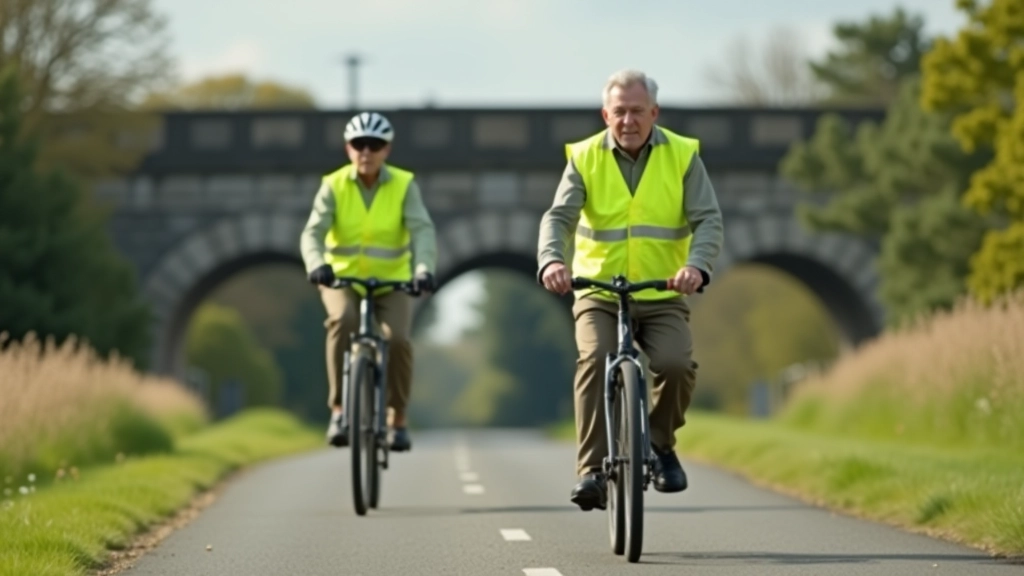
You're sharing the greenway with walkers, joggers, and other cyclists. Being seen isn't optional—it's the foundation of staying safe. The old rail line from Athlone to Ballinasloe has stretches that dip under bridges and wind through tree-lined sections where light gets dim fast.
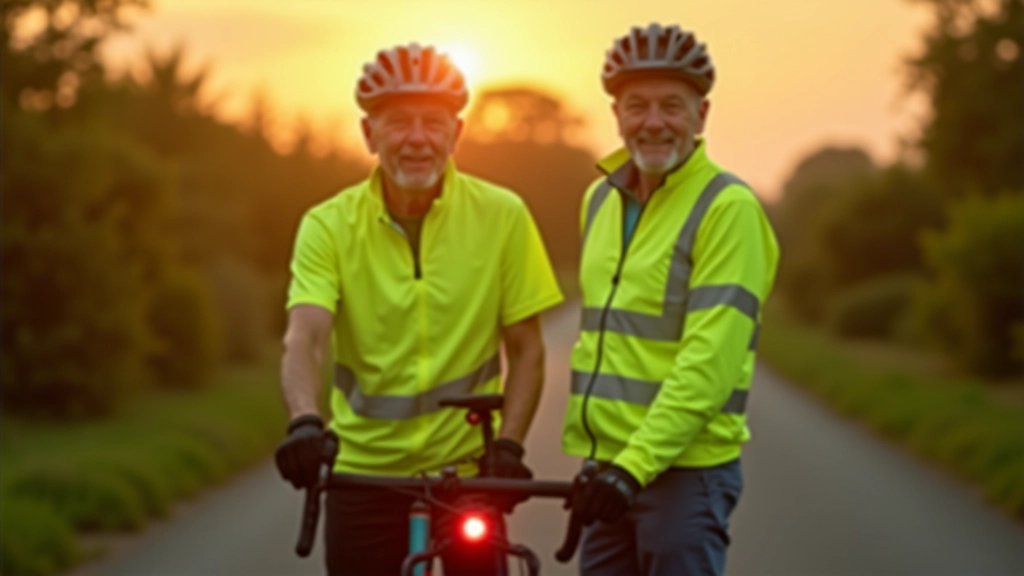
We're talking about bright vests, lights, and reflective gear. Most accidents happen because someone didn't see someone else coming. A simple high-visibility vest costs about €15 and makes you visible from 300 meters away in daylight. In the early morning or late evening when you're most likely to ride, it's absolutely essential.
Essential Visibility Gear
- High-visibility vest or jacket (bright yellow, orange, or pink)
- Front light (white, minimum 400 lumens if riding dawn/dusk)
- Rear light (red, flashing mode preferred)
- Reflective strips on bike frame and pedals
- Helmet with reflective markings
Pacing Yourself: The Real Secret
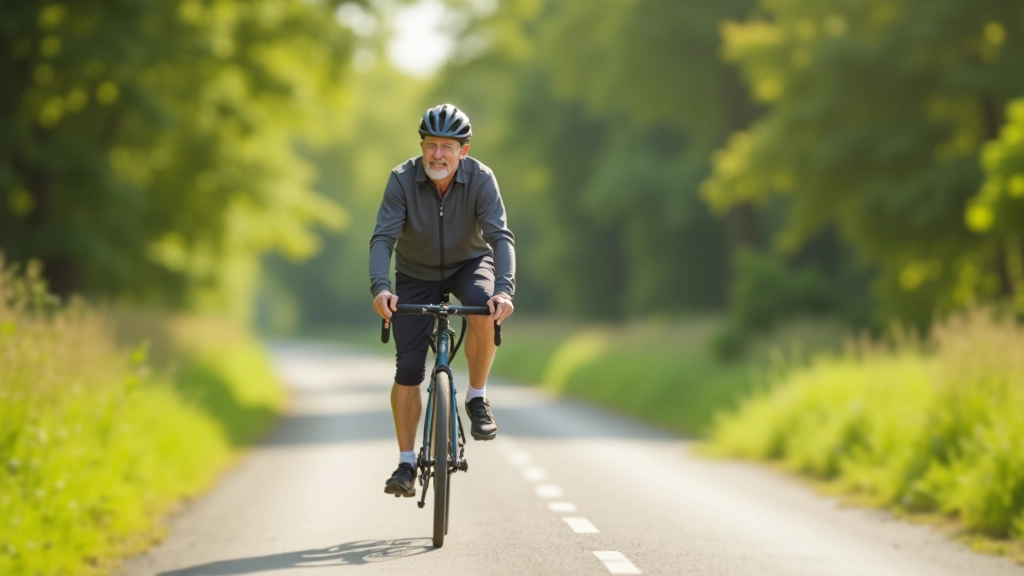
This isn't a race. Seriously. The greenway is flat, which is brilliant for older riders, but it's easy to fall into the trap of pushing too hard because you feel strong early on. That's when fatigue sneaks up on you.
The 22-kilometer route from Athlone to Ballinasloe takes most casual riders 90 minutes to 2 hours. That's about 11-12 kilometers per hour. If you're pedaling hard enough that you can't hold a conversation, you're going too fast. Your breathing should be steady, not labored.
Start slow for the first 3-4 kilometers. Let your muscles warm up. Once you've settled into a rhythm, you can gradually increase effort if you feel good. But keep something in reserve. You don't want to hit kilometer 18 and realize you've got nothing left.
The Talk Test: If you can speak in short sentences but not sing, you're at the right pace. This is the sustainable speed for long rides.
Important Note
This article provides general information about cycling safety on the greenway. If you have existing health conditions, joint problems, or concerns about your fitness level, consult with your doctor before starting any cycling routine. Everyone's physical capacity is different—what works for one person may need adjustment for another. Always listen to your body and don't push through pain.
Recognizing and Managing Fatigue
You'll feel it coming. Your legs get heavy. Pedaling becomes harder even though you're not climbing. Your concentration drifts. That's your body saying it's time to rest.
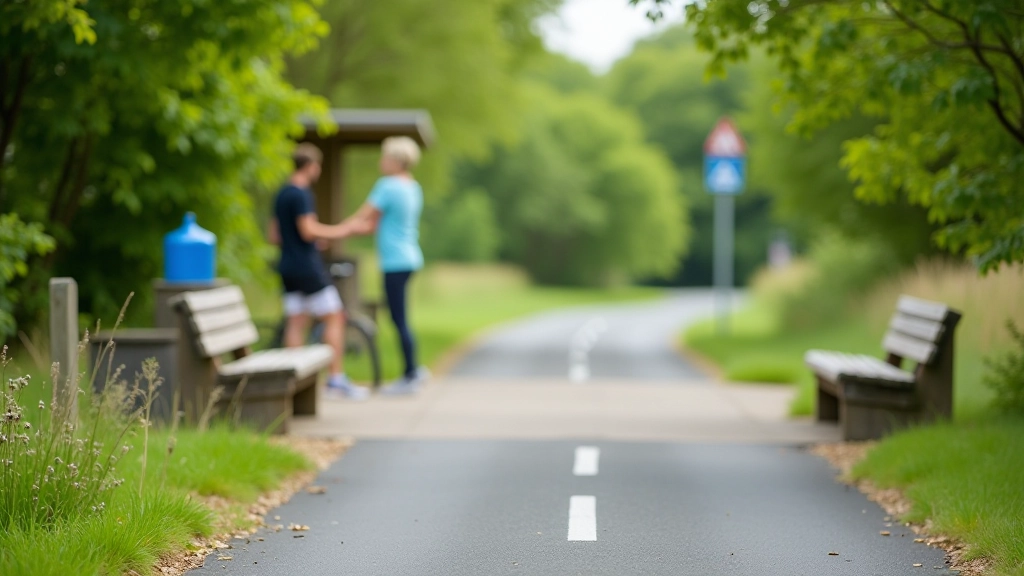
Don't wait until you're completely exhausted. Stop at one of the designated rest areas along the route. There are benches and water facilities at kilometer 5, kilometer 11, and kilometer 18. Sit down for 10-15 minutes. Have some water and a snack—something with carbs and a bit of protein works well. A banana, granola bar, or sandwich gives you real fuel.
Your energy will bounce back within 10 minutes of proper rest. Many riders push through when a short break would've kept them going comfortably. There's no shame in stopping. It's actually the smart move.
Rest Stop Checklist
- Drink water (aim for 200-250ml every 30 minutes of riding)
- Eat a light snack (fruit, energy bar, or sandwich)
- Sit completely and rest legs for 10-15 minutes
- Check your bike for any issues (chain, tires, brakes)
- Let someone know you're okay (text or quick call)